
Emergency inlet in De Ronde Hoep polder ready for extreme high water
An emergency inlet has officially been completed in the De Ronde Hoep polder near Ouderkerk aan de Amstel. If there is an exceptional threat of flooding, the water authority can let water flow into the polder in a controlled way, relieving pressure on the Amstel and the surrounding municipalities, including Amstelveen.
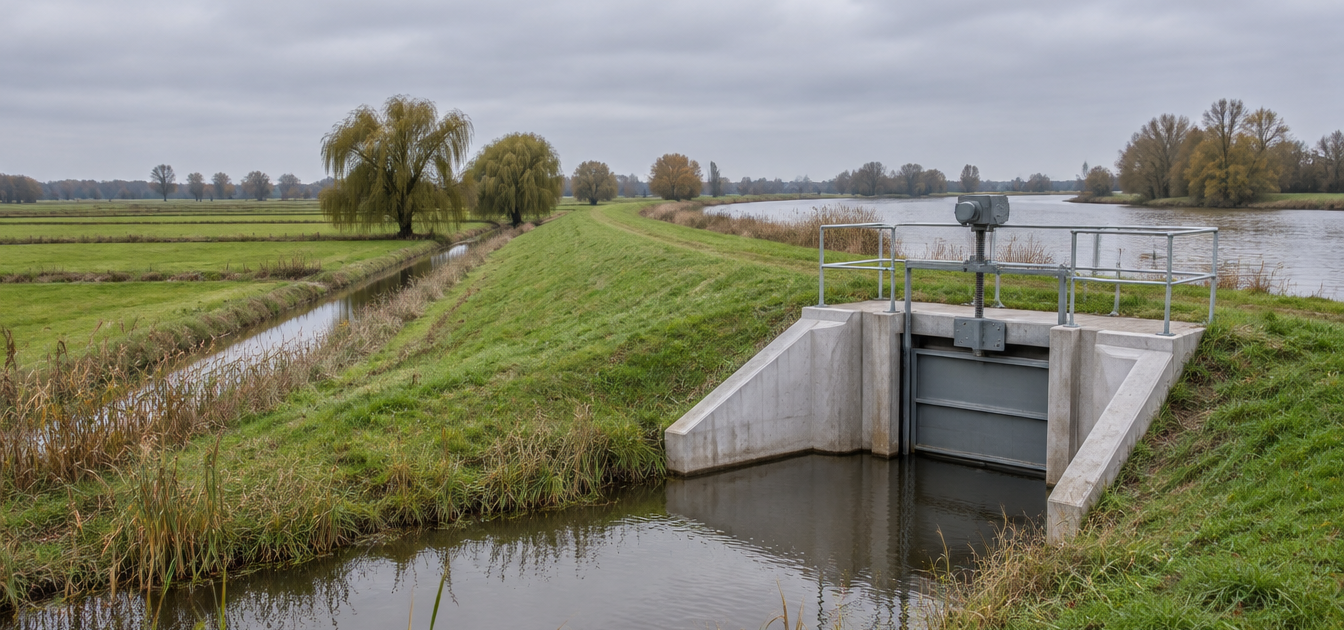
The emergency inlet was built on behalf of the Waterschap Amstel, Gooi en Vecht (AGV) water authority. De Ronde Hoep has been designated for years as the emergency overflow area for the Amstellandboezem: the system of waterways around the Amstel and Amsterdam. With the new inlet, the water authority can now actually fulfil that role when needed.
Only in exceptional situations
The water authority sees using the polder as a last resort. All other measures come first, such as draining water to other areas. Only when prolonged, extreme rainfall coincides with high water levels and limited discharge to the North Sea and the IJmeer does De Ronde Hoep come into play. According to AGV, the chance of that is less than once in a hundred years.
Why it is needed
Climate change makes extreme weather more frequent and increases the risk of flooding. If the polder is used, the water level on the Amstel can be lowered. That reduces the pressure on dikes and other vulnerable places in the region, including in Amstelveen. The water authority hopes it will never need the inlet, but wants to be prepared.
More work in the polder
The completion is a milestone in the Ronde Hoep area programme, in which the water authority works with residents, farmers and other partners. Three dike improvements have been completed in recent years and four more are being prepared. There will also be a new pumping station near the Benningh neighbourhood, dredging work and two inlets for sufficient, clean water, while preserving the landscape, nature and cultural heritage. You can find more information at agv.nl.